All Categories
Featured
Strategic Financial Planning for Long-Term Care in 2026
Avoiding Financial Strain from Extended Medical Stays

Why Modern Retirees Prioritize Health and Wealth Equally
Table of Contents
New Trends in Asset Protection for Corona in 2026
Longevity is the defining financial challenge of 2026. As medical technology extends the average lifespan across the United States, the probability of requiring some form of extended assistance has reached an all-time high. Recent data suggests that seven out of ten people reaching age 65 will eventually need long-term care services. In 2026, the financial implications of this reality are stark. The cost of a private room in a nursing facility in many parts of California now exceeds $160,000 annually, while home health aide services are approaching $75,000 for standard daytime coverage. These figures create a significant threat to retirement portfolios that were built on the assumptions of previous decades.
Strategic planning for these expenses involves more than just selecting a policy. It requires a clear understanding of how insurance products have evolved to meet the demands of a high-inflation environment. Traditional long-term care insurance (LTCi) remains a viable path for some, but the market in 2026 has largely shifted toward hybrid models that offer more flexibility. These hybrid products combine life insurance or annuities with long-term care riders, ensuring that the premiums paid provide a benefit even if the policyholder never requires professional care. Individuals often investigate Harmony SoCal Insurance Services Planning to protect their hard-earned assets from being depleted by these rising costs.
For residents in Corona, the decision to purchase insurance often hinges on the specific local cost of care. Regional variations in labor costs for nursing staff and therapists mean that a policy which is sufficient in one state might fall short in another. In 2026, many advisors suggest looking for policies that offer international coverage or at least portability across the United States, as retirees are increasingly mobile. Planning must account for the specific Activities of Daily Living (ADLs) that trigger policy benefits, such as bathing, dressing, or eating. Most policies in 2026 require a deficiency in at least two of these activities before the insurance carrier begins making payments.
Evaluating Hybrid vs. Traditional Insurance Models
The 2026 insurance market offers two distinct paths for covering extended care. Traditional LTCi works similarly to auto or home insurance. You pay a premium for as long as the policy is active, and if you never need care, the money stays with the insurance company. While this is often the most affordable way to get high levels of coverage, it carries the risk of premium increases. Several major carriers have adjusted rates in 2026 to reflect the higher-than-expected claims from the previous decade, making some policyholders wary of the long-term stability of fixed premiums.
Hybrid policies have gained dominance because they solve the "use it or lose it" dilemma. If the policyholder passes away without needing care, a death benefit is paid to the beneficiaries. Families often prioritize Harmony SoCal Insurance Services Strategic Financial Care to avoid out-of-pocket spikes that could derail an inheritance. These plans are often funded with a single lump sum or a short series of payments over five to ten years. In 2026, the tax advantages of these hybrid plans are particularly attractive. Under Section 7702B of the Internal Revenue Code, the long-term care benefits paid out from these policies are generally received tax-free, which can significantly lower the effective cost of care compared to withdrawing funds from a taxable 401(k) or IRA.
The 2026 Regulatory Environment and Private Coverage
State governments are playing a larger role in care funding than ever before. Following the model of the Washington Cares Fund, several other states have implemented or are considering mandatory payroll taxes to fund public long-term care programs. In 2026, these public options usually provide a modest daily benefit that is often insufficient to cover the full cost of high-quality private facilities. However, they serve as a base layer of protection. Many private insurance companies now offer "wrap-around" policies designed to supplement these state-mandated benefits, allowing residents to maintain a higher standard of care without paying for redundant coverage.
Underwriting standards in 2026 have also become more sophisticated. Insurance companies now use predictive analytics and digital health records to assess risk more accurately. While this allows for more personalized pricing, it also means that waiting until health problems emerge is no longer a viable strategy. Most advisors recommend starting the application process between the ages of 53 and 62. At this age, the balance between premium cost and the likelihood of approval is most favorable. After age 65, the rejection rate for traditional LTCi applicants in 2026 exceeds 40 percent due to pre-existing conditions like diabetes or early-stage cognitive decline.
Addressing Longevity Risk with Long
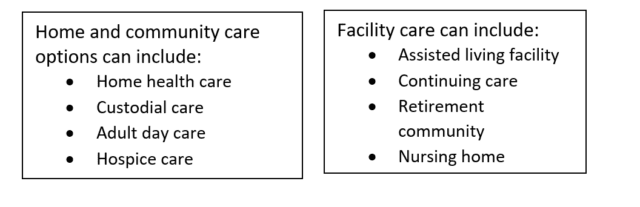
The goal of long-term care insurance is not just to pay for a nursing home but to provide choices. In 2026, the vast majority of seniors prefer to age in place. Insurance policies with strong home-care provisions allow families to hire professional caregivers, install safety equipment, or even pay for modifications like wheelchair ramps and walk-in tubs. This flexibility is essential for maintaining independence. Integration with Long ensures that the care received is coordinated and effective. The search for Harmony SoCal Insurance Services for Corona Seniors often begins after age 55 to ensure these choices remain available in the future.
Inflation protection riders are the most critical component of any policy purchased in 2026. Without an inflation rider, a daily benefit of $250 might seem adequate today but could cover less than half of the daily cost of care in fifteen years. The 2026 market offers various inflation options, typically ranging from 1 percent to 5 percent compound growth. While 3 percent was once the standard, the recent economic volatility has led many to opt for 5 percent riders, despite the higher premiums. Some modern policies also include a "catch-up" provision that allows policyholders to increase their coverage at specific intervals without undergoing additional medical exams.
Technology and In-Home Care Costs
Technology has significantly impacted care delivery in 2026. Remote monitoring systems, wearable health trackers, and AI-driven fall detection have reduced the number of hours a physical caregiver must be present in the home. Some insurance carriers now offer premium discounts to policyholders who agree to use these technologies. This data-driven approach allows for earlier intervention, potentially shortening the duration of a claim by managing chronic conditions more effectively before they require institutionalization.
- Indemnity vs. Reimbursement: Reimbursement policies pay for the actual costs incurred, whereas indemnity policies pay a set daily amount regardless of the cost, giving the policyholder total control over how the money is spent.
- Elimination Period: This is the waiting period before benefits kick in, usually 90 days. Having a larger cash reserve allows for a longer elimination period, which can lower premiums significantly.
- Waiver of Premium: This feature ensures that once a person starts receiving benefits, they no longer have to pay the insurance premiums to keep the policy active.
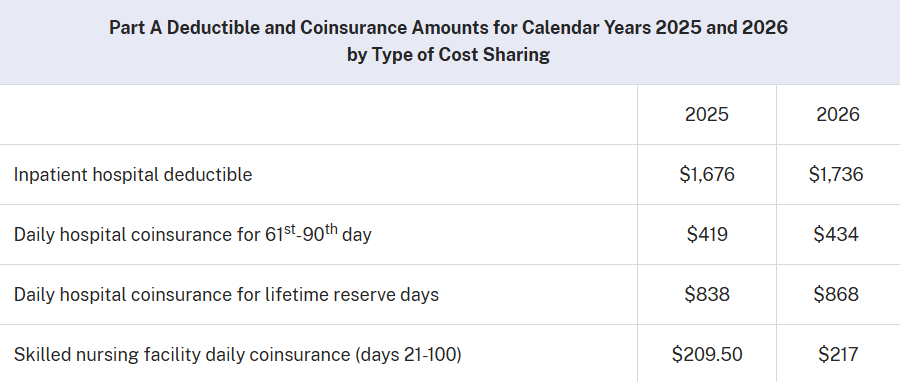
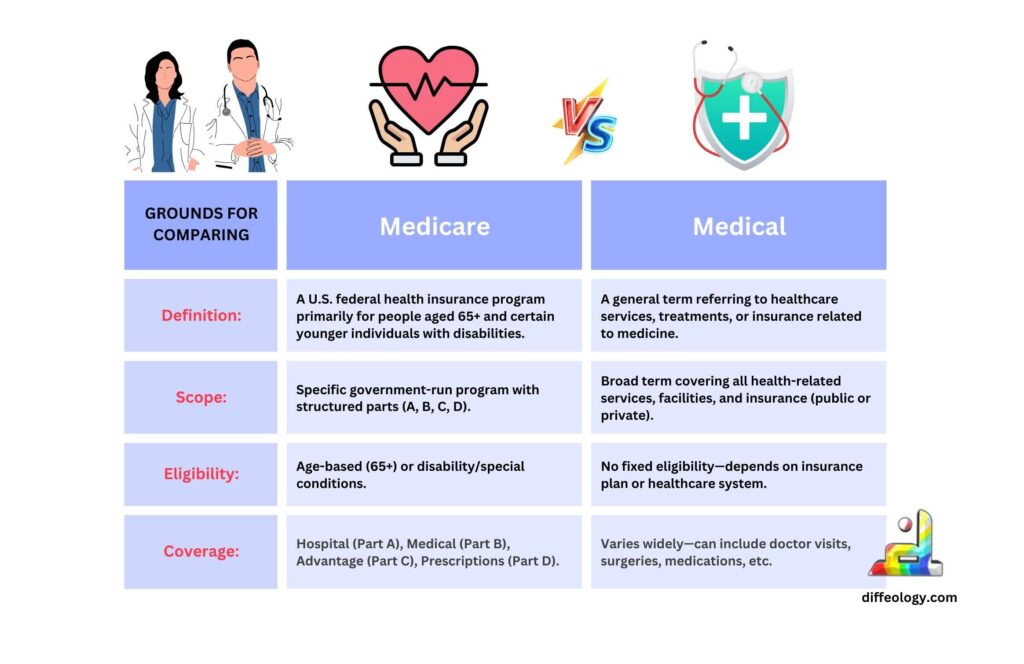
The complexity of these options highlights the need for early action. In 2026, waiting for a crisis to occur before looking at insurance is a recipe for financial disaster. Medicare still does not cover long-term custodial care, a fact that surprises many families every year. Medicare only pays for short-term rehabilitative care following a hospital stay, typically for up to 100 days. This leaves the burden of long-term cognitive or physical support entirely on the individual or Medicaid. To qualify for Medicaid, one must spend down nearly all their assets, which is often an unacceptable outcome for those who wish to leave a financial legacy for their children or spouse.
Financial security in 2026 depends on a proactive stance. By evaluating the different types of coverage available and understanding the specific costs in Corona, individuals can build a safety net that protects their autonomy and their family's future. Whether through a hybrid life insurance policy or a traditional plan with strong inflation protection, the key is to lock in coverage while health is still stable. The peace of mind that comes from knowing a plan is in place allows retirees to focus on enjoying their senior years rather than worrying about the "what-ifs" of their health.

Latest Posts
Strategic Financial Planning for Long-Term Care in 2026
Avoiding Financial Strain from Extended Medical Stays
Severe Illness Coverage for Retirees