All Categories
Featured
Strategic Financial Planning for Long-Term Care in 2026
Avoiding Financial Strain from Extended Medical Stays
Why Hospital Indemnity Is a Smart Financial Move
Table of Contents
The Financial Realities of Longevity in San Bernardino
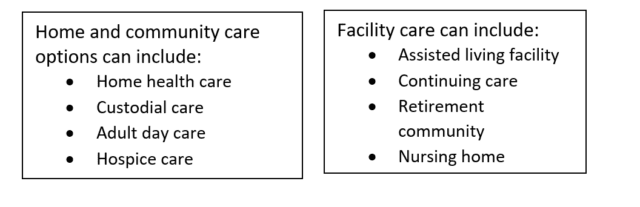
The year 2026 has brought a new set of challenges and opportunities for those planning their senior years. Advances in medical technology have extended life expectancy, but this increased longevity comes with a higher price tag for long-term care. In many parts of the United States, including California, the cost of assisted living and in-home care has risen significantly over the last few years. Families are finding that traditional savings accounts and Social Security benefits are often insufficient to cover the high costs of specialized medical attention.
Planning for these expenses requires a shift from simple retirement saving to a more specific strategy focused on healthcare liquidity. In 2026, the average monthly cost for a private room in a nursing home has surpassed $10,000 in several regions. For those living in San Bernardino, these figures can be even higher due to local economic factors and the demand for high-quality staff. Preparing for these costs decades in advance is no longer just a suggestion for the wealthy; it is a necessity for the middle class.
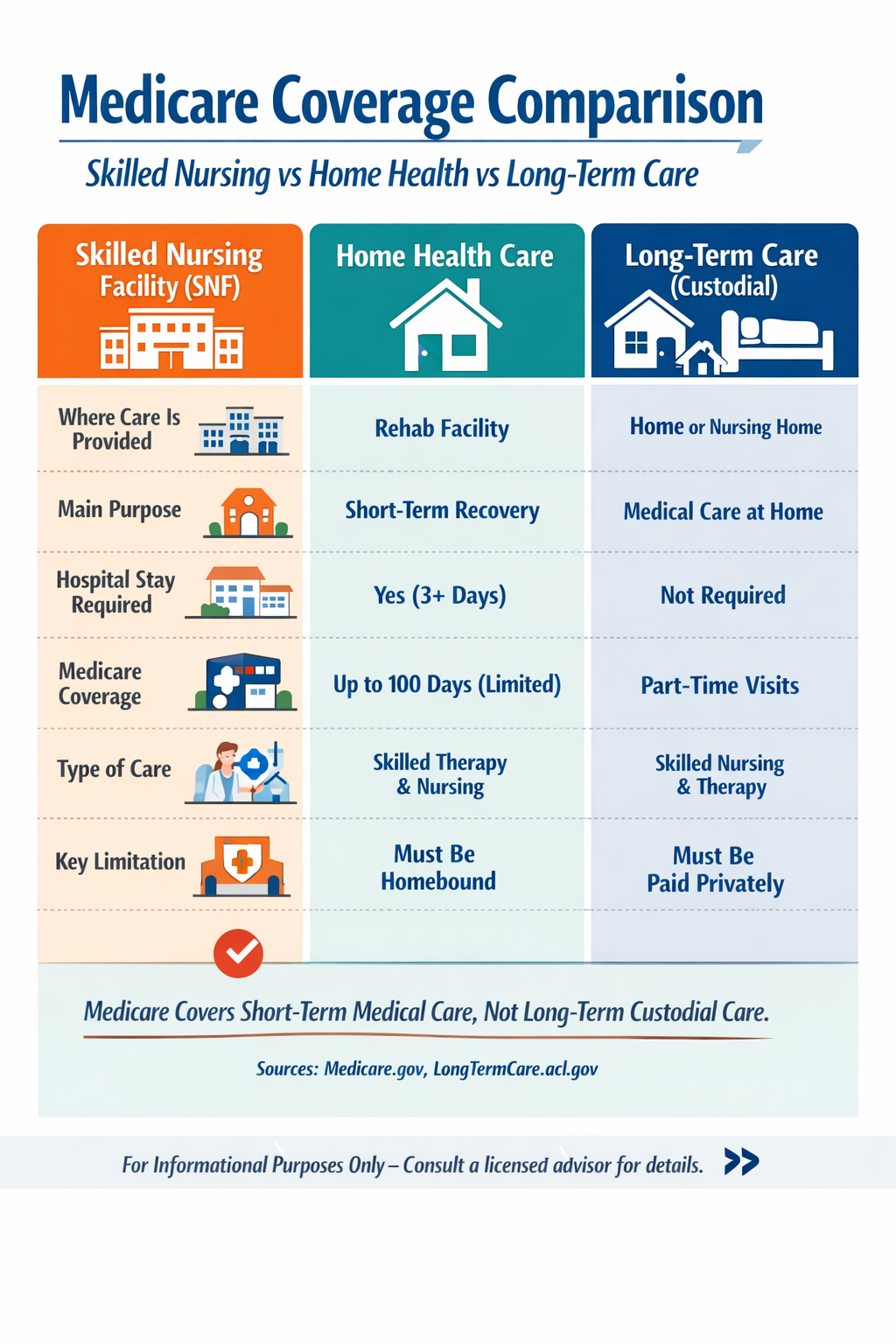
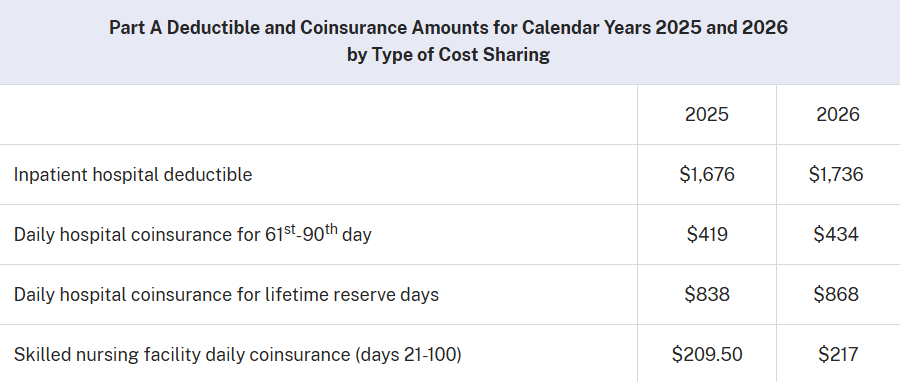
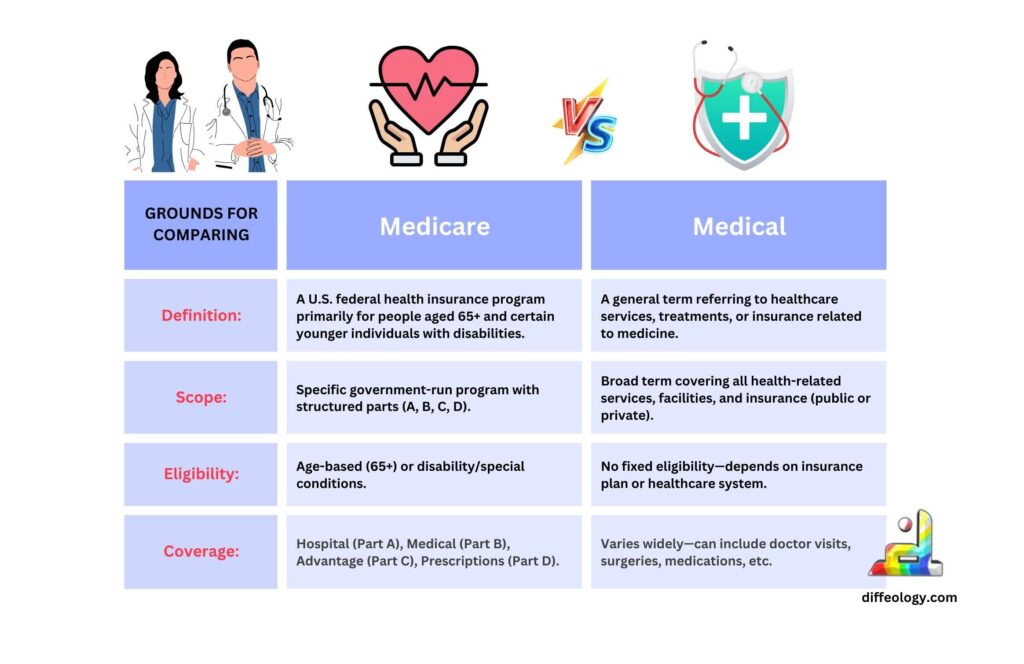
The financial strain of chronic conditions is often the most significant drain on a retirement portfolio. Unlike acute medical events that are largely covered by Medicare, chronic conditions require ongoing, daily assistance that falls outside the scope of traditional health insurance. This gap in coverage is where many families find themselves struggling. Professionals often recommend Harmony SoCal Insurance Services Care as a method for diversifying future risk and ensuring that funds are available when health begins to decline.
Addressing Cognitive Health and Long
Cognitive decline, including Alzheimer’s and other forms of dementia, presents a unique financial and emotional hurdle. By 2026, the prevalence of these conditions has increased as the "Silver Tsunami" of aging baby boomers continues to peak. Cognitive care is often more expensive than standard senior living because it requires secure environments and staff with specialized training. These memory care units provide essential safety but at a premium price that can quickly deplete even a substantial nest egg.
Early diagnosis is becoming more common due to better screening tools available in 2026. This allows families to start the planning process earlier, but it also means they must account for a longer duration of care. A person diagnosed with early-stage dementia might live for another decade or more, requiring escalating levels of support. Interest in Harmony SoCal Insurance Services SB Long-Term Solutions has increased as care costs climb, providing a way to structure assets before a crisis occurs.
Legal documents such as durable power of attorney and healthcare proxies should be updated to reflect 2026 laws and medical preferences. Without these in place, the court may appoint a guardian, which adds legal fees and complexity to an already stressful situation. Strategic planning also involves looking at the physical environment. Retrofitting a home in San Bernardino to accommodate cognitive or mobility issues can cost tens of thousands of dollars, making it a major line item in any long-term budget.
Asset Protection Strategies for Chronic Health Needs
Chronic conditions like diabetes, heart disease, and respiratory issues are the primary drivers of healthcare spending for seniors. In 2026, managing these conditions involves not only medication but also wearable technology and remote monitoring. While these tools improve quality of life and can prevent hospitalizations, they represent a recurring monthly expense that must be factored into a financial plan.
One of the most effective tools for managing these future costs is the Health Savings Account (HSA). For those still in the workforce in 2026, the contribution limits have been adjusted for inflation, allowing for greater tax-advantaged savings. Unlike a Flexible Spending Account, HSA funds roll over indefinitely, making them an ideal vehicle for long-term healthcare needs. However, once an individual enrolls in Medicare, they can no longer contribute to an HSA, making the years leading up to age 65 critical for building this reserve.
The demand for Harmony SoCal Insurance Services for Residents reflects a shift toward local expertise in managing the intersection of health and wealth. Many residents are looking for ways to protect their primary residence from being counted as a liquid asset during Medicaid eligibility determinations. While California has seen changes in asset limit rules by 2026, the federal five-year lookback period for asset transfers remains a critical factor for anyone hoping to qualify for government assistance for long-term care.
Strategic Instruments for Long-Term Care
The insurance market in 2026 has evolved away from the traditional "use it or lose it" long-term care policies. Many now prefer hybrid policies that combine life insurance with long-term care riders. These instruments ensure that if the care is never needed, a death benefit is paid to the heirs, effectively protecting the premium investment. This provides a level of flexibility that traditional policies lacked, making them a more attractive option for those worried about the high cost of premiums.
Another strategy involves the use of irrevocable trusts. By placing assets into a trust, an individual can reduce their countable estate, which may help in qualifying for certain state-funded programs while still preserving an inheritance for their children. However, these trusts must be established well before the need for care arises. In 2026, the legal landscape surrounding these trusts is complex, and many people seek specialized guidance to ensure they are compliant with current tax codes.
Annuities have also seen a resurgence as a way to create a guaranteed income stream dedicated to healthcare. A "long-term care annuity" can simplify the process by providing a simplified underwriting path and doubling or tripling the monthly payout if the owner can no longer perform two out of the six activities of daily living (ADLs), such as bathing, dressing, or eating. This trigger is a standard benchmark used by insurers to determine when a policyholder is eligible for benefits.
Integrating Modern Technology and Caregiving
The role of Long in 2026 often includes the use of sophisticated monitoring systems that can detect falls or changes in gait before an injury occurs. These technologies allow many seniors to remain in their homes longer, which is generally more cost-effective than moving into a facility. However, the cost of these systems, along with the necessary high-speed internet and tech support, adds another layer to the retirement budget.
Family caregivers also face financial risks. Many adult children in 2026 find themselves reducing their work hours or leaving the workforce entirely to care for an aging parent. This doesn't just result in lost wages; it reduces their own future Social Security benefits and retirement contributions. Some long-term care policies now allow for the payment of family members as caregivers, which can help mitigate this financial impact, but these provisions vary widely by contract.
Budgeting for these scenarios involves more than just looking at the price of a nursing home. It requires a holistic view of the individual’s health history, family longevity, and the specific cost of living in their area. For instance, those planning for retirement in a high-cost state like California must account for the fact that labor costs for home health aides have risen at a rate higher than general inflation.
Legal Protections and Medicaid Eligibility
Medicaid remains the largest payer for long-term care in the United States, but it was never intended to be a first-line solution for the middle class. Eligibility is strictly based on income and asset levels. In 2026, the rules for "spending down" assets are as rigorous as ever. People often make the mistake of giving away their assets too late, triggering penalties that delay when Medicaid will begin to pay for their care.
Strategic planning involves understanding the difference between exempt and non-exempt assets. In most cases, a primary residence, one vehicle, and personal belongings are exempt, but cash, stocks, and secondary properties are not. Using legal tools to convert non-exempt assets into exempt ones is a common practice in 2026, but it requires a deep understanding of state-specific regulations. For those in San Bernardino, staying informed on these nuances is the only way to ensure that a lifetime of hard work isn't entirely consumed by a few years of medical bills.
Working with professionals who understand both the financial and medical aspects of aging is essential. The complexity of the 2026 tax code, combined with the rising costs of Long, means that a "set it and forget it" approach to retirement is no longer viable. Regular reviews of a long-term care plan are necessary to adjust for changes in health status, family dynamics, and the economic environment.
The reality of 2026 is that aging is a expensive process that requires proactive management. By identifying potential risks early and choosing the right mix of insurance, trusts, and savings vehicles, it is possible to maintain a high quality of life throughout the senior years. The goal is to ensure that healthcare decisions are made based on what is best for the individual's well-being, rather than what is dictated by a dwindling bank account. In a world of increasing longevity, the most valuable asset one can have is a well-funded and flexible plan for the future.

Latest Posts
Strategic Financial Planning for Long-Term Care in 2026

Avoiding Financial Strain from Extended Medical Stays
Severe Illness Coverage for Retirees